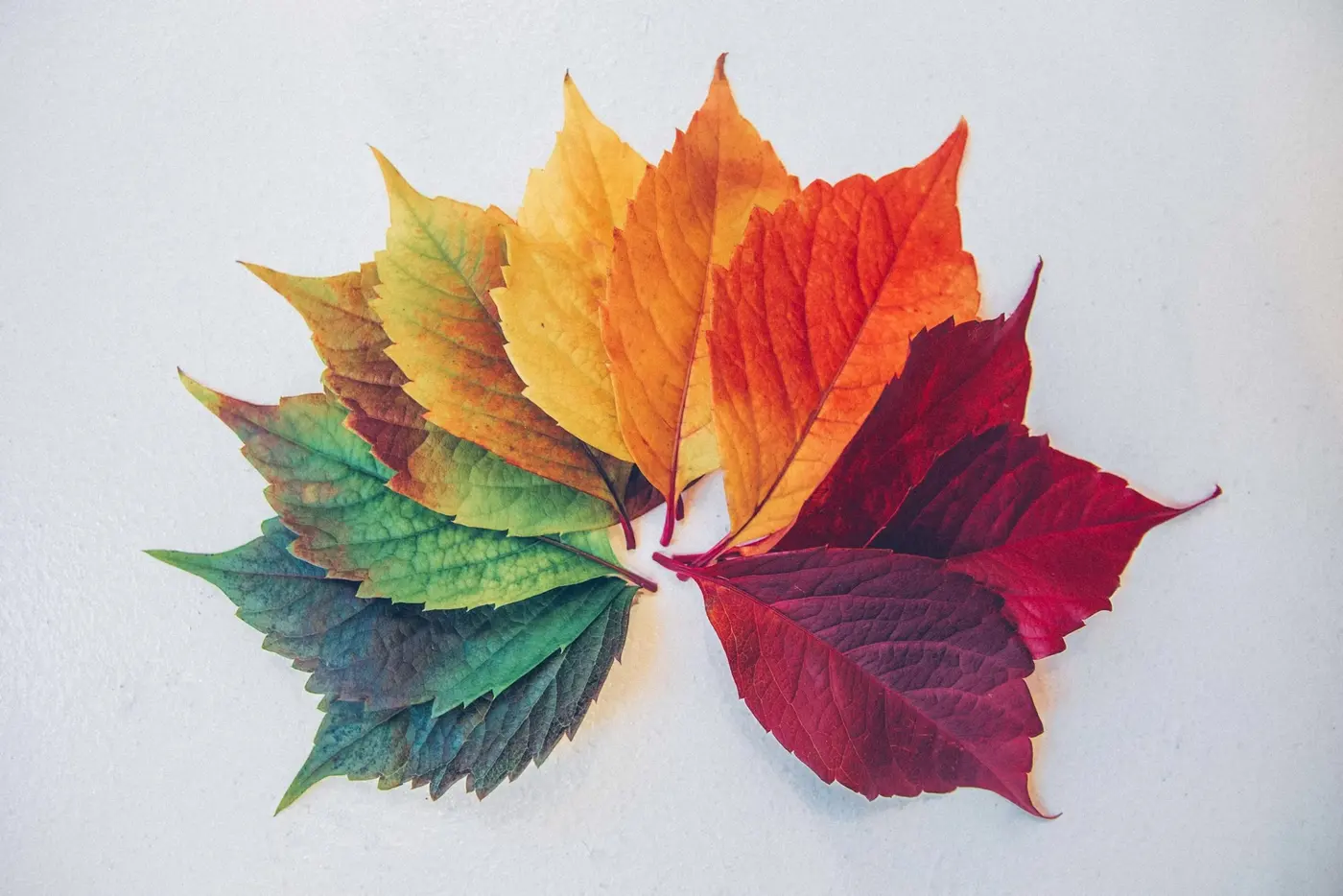
The human body is full of rhythms and the menstrual cycle is one particularly fascinating example.
For those who menstruate, energy and capacity may shift across the month. Drive and ambition, the desire for rest and our capacity to do things. None of these necessarily feel the same every day.
And yet, it can be easy to look around and wonder: why can’t I just show up with the same energy every single day?
Part of the answer is physiological.
Hormones naturally fluctuate. While men also experience hormonal rhythms, testosterone tends to follow a daily rhythm, whereas female reproductive hormones such as estrogen and progesterone change considerably across the menstrual (monthly) cycle.
(Women have testosterone too, just as men have estrogen and progesterone. It’s the concentrations, patterns and interactions between these hormones that differ.)
And perhaps that’s worth considering when we think about what we expect from ourselves.
We live in a culture that tends to reward consistency: be productive every day, keep pushing, tick off the list, do it all again tomorrow.
Most of us (menstruating or not) can probably think of a time we’ve ignored every signal our body was giving us, pushed through anyway… and crashed at the other end. But what if living well isn’t about demanding exactly the same thing from ourselves every day?
Understanding the menstrual cycle gives us one beautiful example of another way: instead of fighting the body’s rhythms, we can become curious about them and be better for it.
Think of the menstrual cycle like the seasons
Nature doesn’t expect summer all year round.
There is new growth in spring, abundance in summer, letting go in autumn and rest in winter. None of these seasons is better than another. Each has its place.
What if we extended the same permission to our bodies?
The menstrual cycle is commonly described in four phases: menstrual, follicular, ovulatory and luteal. While we often talk about a 28-day cycle, there is plenty of variation both from person to person and from one cycle to the next. And just like the seasons, the transitions aren’t always perfectly predictable or marked neatly on the calendar. However, if extended, too short or no transitions at all could indicate there may be something to check in with your health professional about.
But thinking about the cycle this way can give us a useful framework for becoming curious about what’s changing, and what the body might be asking for along the way.
🩸 Menstrual phase: Winter
The menstrual phase begins with menstruation, when the uterine lining is shed and a new cycle begins.
For some, this can feel a little like winter: a natural invitation to turn inward. Energy may feel lower, or there may be a greater desire for rest, space or quiet. For others, it might not feel particularly different at all. The invitation here isn’t to assume how you should feel, but to notice how you do feel.
If your body is asking for a little less, perhaps this is the time to listen. Keep the to-do list a little shorter. Choose gentler movement if that feels good. Reschedule the optional social event if you don’t have the capacity.
Not because you can’t do things but because you don’t always have to.
🌱 Follicular phase: Spring
Following menstruation, the body enters the follicular phase. Estrogen generally begins to rise as an ovarian follicle develops and the body moves towards ovulation.
Think of this phase as spring: things beginning to grow and build again.
Some people notice greater energy, motivation or enthusiasm during this part of their cycle. Ideas might begin to flow more easily, or there may be more appetite for starting something new.
If that’s your pattern, lean into it. Brainstorm, create, make plans, have the conversations and say yes to the things that excite you.
And if you don’t feel a great surge of spring energy ? That’s okay too. The point isn’t to experience your cycle in a particular way, it’s to become curious about the way you experience it.
☀️ Ovulation: Summer
Ovulation itself is brief, but happens within a period of significant hormonal change as an egg is released from the ovary.
Think summer: outward, expansive and full.
Some people notice they feel particularly social, confident or energetic around this point in their cycle. There might be more desire for connection, conversation or being out in the world.
If that’s your pattern, enjoy the energy that’s available to you. Have the conversation. Present the idea. Make the plans. Connect with the people you love.
And remember, this isn’t the version of you that you need to hold onto for the rest of the month.
Summer doesn’t need to last forever to be useful.
🍂 Luteal phase: Autumn
After ovulation comes the luteal phase, which lasts until the next period begins.
Progesterone rises after ovulation, before both progesterone and estrogen fall towards the end of the cycle if pregnancy hasn’t occurred.
Think autumn: a season of finishing, simplifying and letting go.
Some people notice their energy beginning to shift during this phase. You might find yourself wanting to finish rather than start, craving a little more space, or noticing that your tolerance for an overflowing calendar has changed. Things you happily said yes to two weeks ago might suddenly feel… questionable.
If that’s your pattern, perhaps this is a good time to get curious. What needs finishing? What isn’t working? What can be simplified? What can you let go of before winter comes around again?
Not because autumn needs to be less than summer, it’s simply asking something different of you.
The goal isn’t to perfectly “cycle sync” your life
You don’t need to cancel every meeting because you’re menstruating or schedule your biggest life decisions around ovulation.
Life doesn’t work like that and neither do our bodies.
Instead, learn your own rhythm.
Track your cycle alongside your energy, mood, sleep, training, creativity and desire for connection. Over a few months, you may begin to notice patterns that are uniquely yours. Then, where you can, work with them.
Use the times when you notice greater capacity. Protect a little more space when you need it. And perhaps most importantly, stop expecting every version of yourself to perform like the version who has the most energy.
For those with irregular or unpredictable cycles, the calendar may not provide the same roadmap. But the underlying practice still matters: noticing your body’s signals, recognising when you have capacity and recognising when you don’t.
We aren’t meant to live in summer all year round.
There is a season for creating, a season for doing, a season for letting go and a season for rest.
Maybe living an exceptional life isn’t about overriding those rhythms.
Maybe it’s about getting better at listening to them — and giving ourselves permission to respond.
What next?
If this has sparked a little curiosity, keep going.
Curious about chiropractic + female health?
What does the nervous system have to do with hormones, menstrual health and the changing female body and where might chiropractic fit into the picture?
→ Read next: Chiropractic + female health. What do we actually know?
Want to explore cyclical living further?
Here are a few resources we love:
📖Do Less, Kate Northrup
A beautiful exploration of working with your energy and natural rhythms rather than measuring your worth by how much you can get done.
📖 Beautiful You, Nat Kringoudis
An approachable introduction to hormones, menstrual health and understanding your body a little better.
📖 Period Repair Manual, Lara Briden
A more detailed resource for understanding menstrual cycles, hormones and common period concerns.
Got questions about your body?
Sometimes the best place to start is simply with a good conversation.
If you’ve been noticing changes in the way your body is moving, feeling or adapting, or you’re simply curious about what chiropractic might have to offer, we’d love to hear what’s going on and ask some good questions with you.